Bakrawa Archaeological Site
- Kind of place
- Historical
- Best season
- Spring – Summer
- Safety level
- Low - generally safe
- Guests
- All guests
- Road
- Mixed
- Vehicle
- Normal car
About
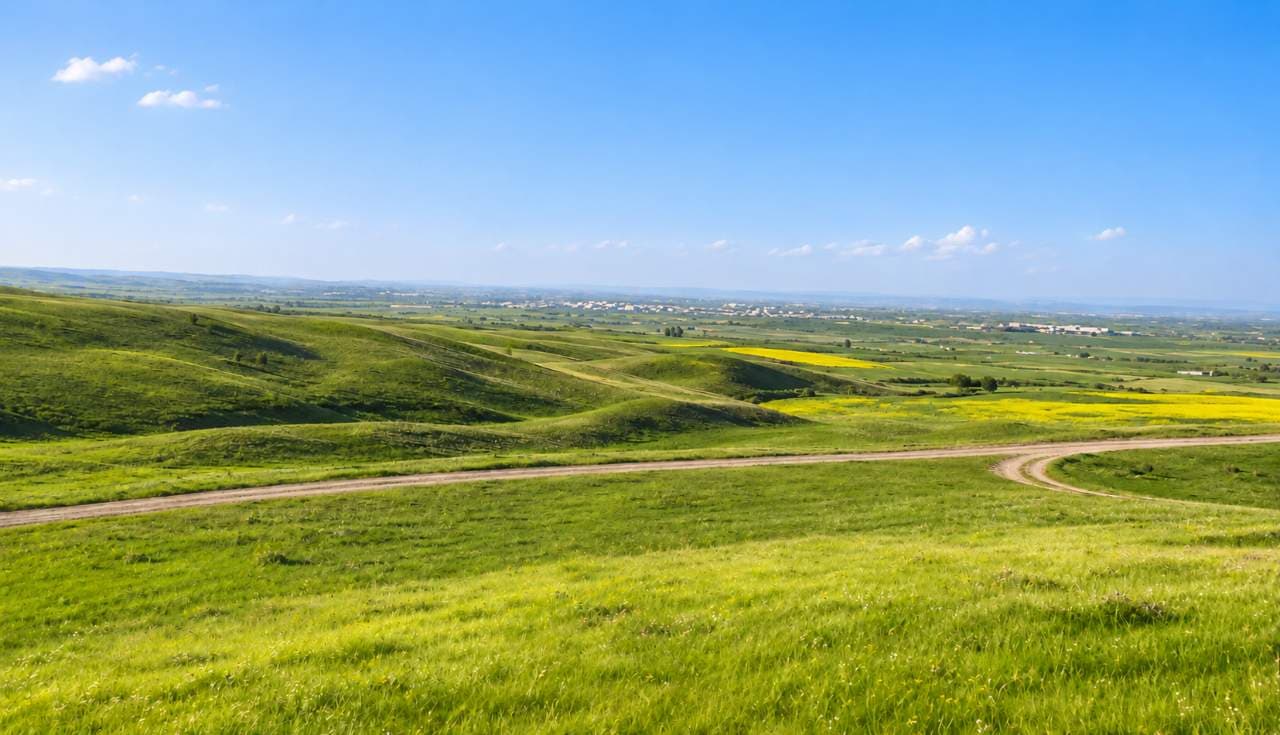
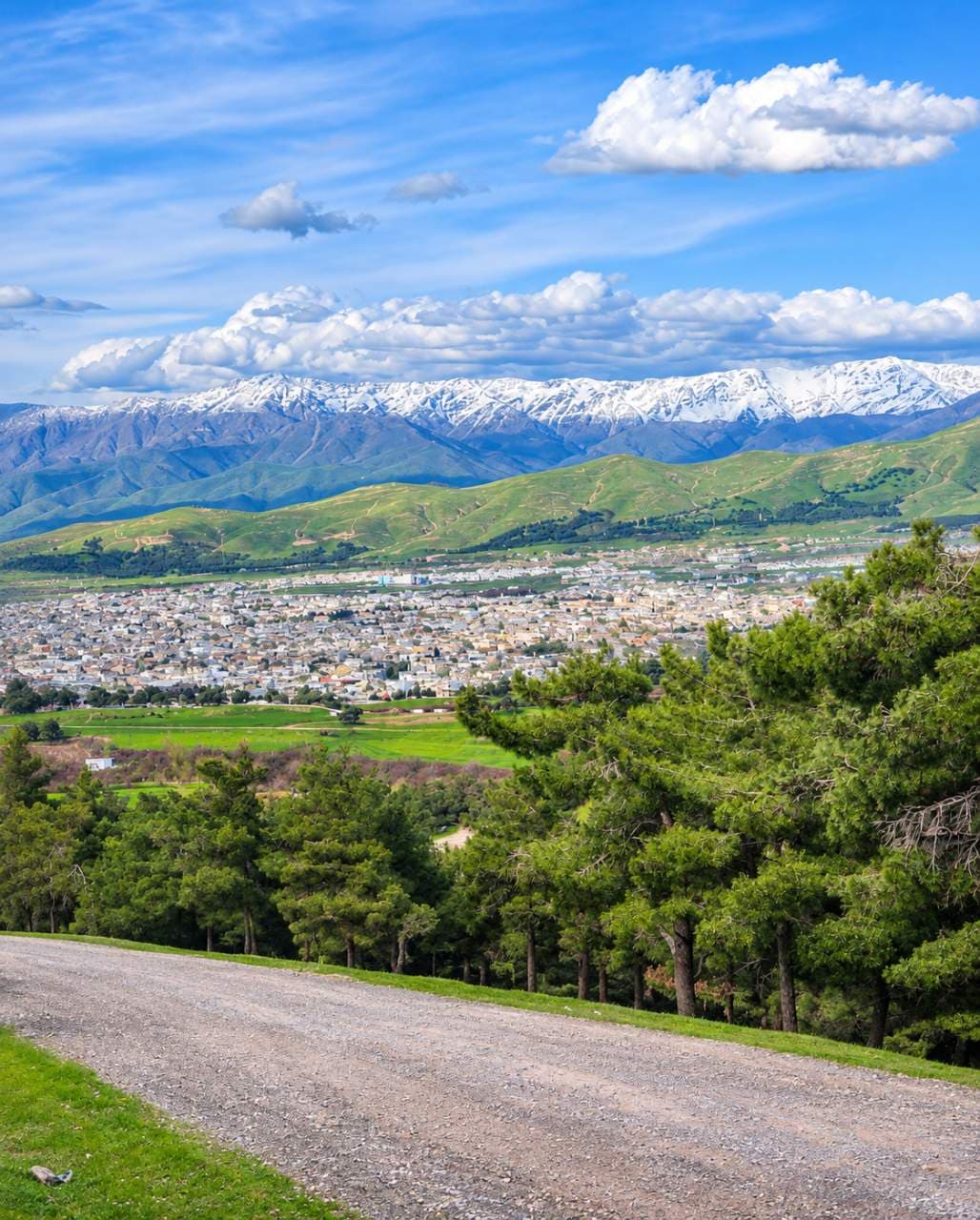
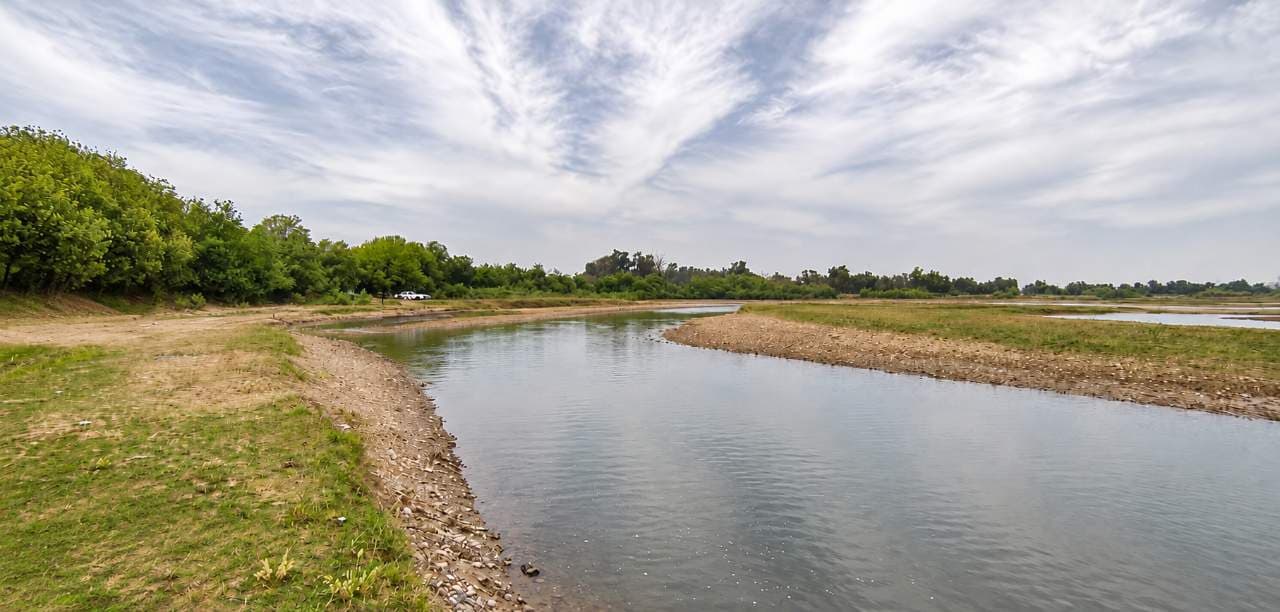
The archaeological mound of Bakr Awa is one of the largest and most important archaeological mounds in the Shahrizor Plain. It is located between Sulaymaniyah and Halabja, at the foothills of the Zagros Mountains. The main mound rises approximately 40 metres above the surrounding plain and is encircled by a lower town covering an area of about 800 by 600 metres. Archaeological evidence indicates that Bakr Awa was inhabited for approximately five thousand years. Occupation layers discovered within the mound and lower town extend from the beginning of the Bronze Age through the Islamic and Ottoman periods. The site was first described in 1844, initially investigated in 1927, and excavated by an Iraqi archaeological team in 1960–1961. New research and excavations involving a team from Heidelberg University began in 2010. The most important discoveries at Bakr Awa include cuneiform texts, pottery fragments, architectural remains, and graves from different periods. The size of the mound, its long history of settlement, and the diversity of its discoveries make Bakr Awa an important source for understanding the ancient history of the Shahrizor Plain and Kurdistan.
Good to know
The site has not yet been fully developed for tourism, and visitor facilities are limited. Bring drinking water and other essential supplies, especially during summer. Wear suitable footwear and follow only the designated paths. Do not enter the excavation areas, and stay away from the steep and hazardous sections of the mound. Do not touch archaeological remains, move anything from its original location, or leave waste behind.